In today’s rapidly evolving business landscape, sustainability is no longer just a trend—it is a critical component of long-term success. Organizations across industries are recognizing the importance of integrating environmentally responsible practices into their operations. From reducing energy consumption to optimizing resource management, businesses are seeking practical strategies that not only minimize environmental impact but also create measurable value for stakeholders. Sustainability initiatives can range from improving supply chain efficiency to implementing waste reduction programs and embracing renewable energy. Companies that adopt these approaches often experience benefits such as enhanced brand reputation, improved customer loyalty, and potential cost savings.
One of the key drivers of successful sustainability is strategic planning. Businesses that carefully analyze their environmental footprint and implement actionable strategies are better positioned to achieve meaningful results. These strategies may include reassessing operational processes, investing in green technology, and fostering a culture of sustainability among employees. Importantly, sustainability is not a one-size-fits-all approach; different organizations will find unique opportunities based on their industry, scale, and existing infrastructure. By exploring a variety of methods and continuously monitoring their effectiveness, businesses can create a long-term framework that supports both environmental stewardship and organizational growth.
This blog explores practical strategies that businesses can implement to boost sustainability efforts. Each section provides actionable insights while highlighting examples from various sectors, demonstrating how sustainability can be integrated across operations. Whether it involves energy-efficient upgrades, resource management, or employee engagement initiatives, these strategies can serve as a roadmap for companies seeking to reduce their environmental impact. By considering these approaches, organizations can strengthen their commitment to sustainability while achieving operational excellence and positive community impact.
1. Optimizing Operational Efficiencies

Operational efficiency is a critical factor in reducing a business’s environmental footprint. By analyzing workflows, energy usage, and resource consumption, companies can identify areas where waste is minimized and productivity is maximized. For example, a business providing airport car services can optimize routes to reduce fuel consumption, improve vehicle maintenance schedules, and implement digital booking systems to minimize paper use. These adjustments not only enhance sustainability but also contribute to cost savings and improved customer satisfaction.
Key approaches include:
- Assessing energy consumption patterns and upgrading to energy-efficient equipment
- Implementing digital tools to reduce paper and streamline communication
- Regularly reviewing operational workflows for inefficiencies
- Encouraging employee suggestions for sustainability improvements
By taking a systematic approach to operational efficiency, businesses can create measurable improvements in resource usage and environmental impact. Prioritizing efficiency also fosters a culture of continuous improvement, empowering employees to actively contribute to sustainable practices. Over time, these measures help organizations become more resilient, competitive, and environmentally responsible.
2. Reducing Energy Consumption Through Smart Planning
Energy consumption represents a significant component of a company’s environmental footprint. Businesses can implement targeted strategies to reduce energy use while maintaining operational effectiveness. For example, a commercial elevator service company can adopt energy-efficient motors, implement motion sensors for lighting in elevator lobbies, and schedule preventive maintenance to ensure optimal performance. These strategies reduce unnecessary energy expenditure and minimize greenhouse gas emissions.
Recommended steps include:
- Installing LED or energy-efficient lighting systems
- Using programmable thermostats and energy management systems
- Conducting energy audits to identify high-consumption areas
- Incorporating renewable energy sources where feasible
By reducing energy consumption, businesses achieve dual benefits: lower operating costs and a smaller carbon footprint. Moreover, these actions often align with local and national sustainability regulations, enhancing compliance and demonstrating environmental responsibility. Incorporating energy-conscious practices into daily operations ensures long-term sustainability success.
3. Sustainable Materials and Resource Use
Selecting sustainable materials is essential for businesses seeking to reduce environmental impact. Companies can prioritize environmentally friendly options in construction, office furnishing, and renovation projects. A roofing contractor, for instance, might utilize recycled materials, reflective coatings, or long-lasting shingles that reduce waste over time. These choices help conserve natural resources, lower waste, and promote responsible sourcing practices.
Strategies include:
- Using recycled or sustainably sourced materials
- Choosing durable products to extend lifecycle
- Minimizing packaging waste in procurement
- Collaborating with suppliers committed to sustainability
Incorporating sustainable materials demonstrates a business’s commitment to environmental responsibility. Additionally, these efforts often translate into operational savings and reduced environmental liabilities. Stakeholders increasingly value companies that actively reduce their material footprint, enhancing brand reputation and attracting eco-conscious clients.
4. Designing Efficient Workspaces

Creating an efficient workspace plays a vital role in promoting sustainability. Office layouts, furniture, and space utilization all influence energy use, waste generation, and employee productivity. For example, incorporating cubicles that are modular and made from recycled materials can reduce the need for frequent replacements and minimize waste. Thoughtful office design also maximizes natural light, improves airflow, and encourages collaborative environments that reduce energy dependency.
Practical steps include:
- Utilizing modular and durable furniture
- Maximizing natural light and ventilation
- Implementing recycling stations throughout the office
- Encouraging flexible layouts to optimize space usage
Sustainable workspace design benefits both the environment and employees. Efficient layouts reduce energy consumption while enhancing comfort and productivity. Over time, these measures contribute to operational cost reductions and strengthen a company’s sustainability profile.
5. Eco-Friendly Flooring Solutions
Flooring choices can have a significant impact on sustainability efforts. Businesses selecting environmentally conscious options can reduce waste and improve indoor air quality. A company installing floor covering can opt for materials such as recycled carpet, bamboo, or low-VOC finishes. These solutions minimize environmental impact and promote a healthier workspace.
Suggestions for sustainable flooring:
- Choose renewable or recycled materials
- Prioritize durability to reduce frequent replacement
- Consider low-emission finishes to enhance air quality
- Implement maintenance practices that extend flooring life
By adopting eco-friendly flooring solutions, businesses demonstrate a commitment to sustainability while creating safe and attractive environments. Environmentally conscious flooring decisions also contribute to long-term cost savings and align with broader green initiatives.
6. Fostering a Culture of Sustainability
Sustainability extends beyond operational improvements—it requires a cultural shift within the organization. Encouraging employees to adopt eco-friendly practices, participate in green initiatives, and contribute ideas creates a workforce aligned with environmental goals. Businesses can implement awareness campaigns, incentivize sustainable behavior, and provide training on eco-conscious practices.
Practical approaches include:
- Offering sustainability workshops and training sessions
- Rewarding employees for eco-friendly suggestions
- Establishing sustainability committees or task forces
- Promoting company-wide recycling and energy-saving programs
Embedding sustainability into corporate culture ensures lasting impact. When employees embrace environmentally responsible behaviors, the organization benefits from reduced waste, energy savings, and an engaged workforce committed to sustainability initiatives.
7. Responsible Water Management
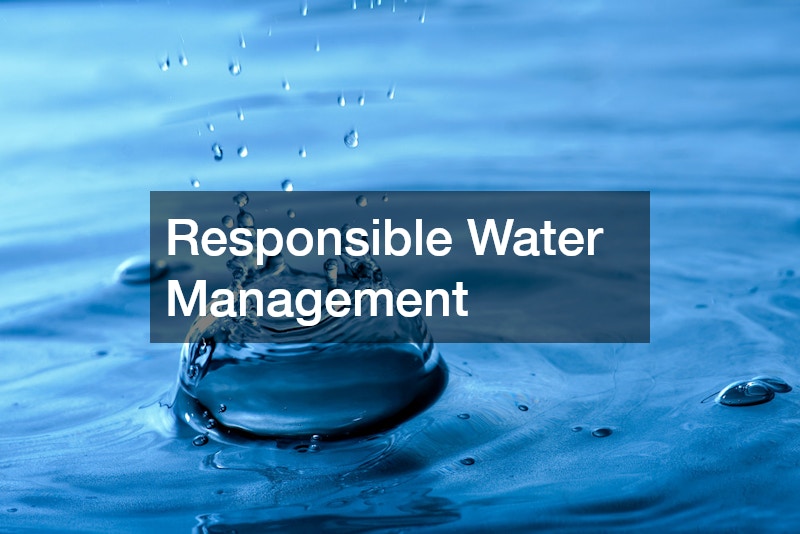
Water conservation is a key component of sustainable business practices. Companies that monitor and manage water usage can reduce costs and minimize environmental impact. A water supplier, for instance, can provide guidance on low-flow fixtures, leak detection, and efficient irrigation systems. Implementing these measures ensures water is used responsibly, preserving a vital resource for communities and ecosystems.
Water management strategies include:
- Installing low-flow plumbing fixtures
- Regularly monitoring water usage and detecting leaks
- Recycling and reusing water where possible
- Educating employees about water conservation practices
Effective water management aligns sustainability with operational efficiency. Businesses adopting these practices demonstrate environmental stewardship while potentially lowering utility costs and contributing positively to community water resources.
8. Enhancing Indoor Air Quality
Indoor air quality is essential for a healthy and sustainable workplace. Businesses can implement measures to reduce pollutants and improve ventilation. For instance, a gym can incorporate high-efficiency HVAC systems, air purifiers, and regular maintenance schedules to ensure clean air for staff and visitors. These strategies promote wellness while supporting broader sustainability objectives.
Key actions include:
- Using energy-efficient HVAC systems
- Implementing air purification and filtration technologies
- Maintaining ventilation systems for optimal performance
- Minimizing indoor pollutants through eco-friendly cleaning practices
By prioritizing indoor air quality, organizations create safer environments and demonstrate their commitment to sustainability. These improvements support employee well-being and can enhance productivity while aligning with green building standards.
9. Reducing Environmental Risk Exposure
Mitigating environmental risks is a crucial aspect of sustainability. Businesses can proactively address potential hazards to protect both operations and the community. For example, local lightning protection systems help prevent property damage and reduce environmental disruption from fire risks. By investing in preventive measures, companies ensure continuity while minimizing environmental harm.
Risk reduction strategies include:
- Conducting environmental risk assessments regularly
- Implementing protective infrastructure such as lightning systems
- Training staff on emergency preparedness
- Establishing protocols for minimizing environmental impact
Addressing environmental risks enhances organizational resilience and reinforces a business’s commitment to sustainability. Proactive planning reduces potential losses while safeguarding natural and built environments.
10. Optimizing Supply Chains

Sustainable supply chain management reduces environmental impact across the entire lifecycle of products and services. Companies can work with suppliers who prioritize eco-friendly practices, minimize packaging, and promote ethical sourcing. Tracking and monitoring supply chain sustainability ensures that each step aligns with organizational goals and environmental standards.
Approaches include:
- Evaluating suppliers based on sustainability criteria
- Reducing packaging and transportation emissions
- Encouraging local sourcing to minimize carbon footprint
- Implementing life-cycle assessments for key materials
A well-managed, sustainable supply chain strengthens corporate reputation, reduces operational risks, and promotes broader environmental stewardship. Businesses that prioritize sustainability in procurement demonstrate leadership and long-term vision.
11. Implementing Sustainable Construction Practices
Construction activities present significant opportunities for sustainability improvements. General contractors can adopt environmentally responsible techniques such as using energy-efficient machinery, recycling construction waste, and sourcing sustainable materials. By integrating these practices into project planning and execution, businesses minimize environmental impact while ensuring cost efficiency.
Key strategies include:
- Selecting sustainable building materials
- Implementing waste management and recycling protocols
- Optimizing equipment for energy efficiency
- Training staff on green construction practices
Sustainable construction not only reduces environmental footprint but also enhances client perception and aligns projects with modern green building standards. Companies that adopt these practices demonstrate responsible leadership within the construction industry.
12. Driving Long-Term Sustainability Initiatives
Long-term sustainability requires ongoing commitment, strategic planning, and continuous improvement. Businesses can integrate comprehensive initiatives that align environmental, social, and economic objectives. For example, a plumber can implement water-saving technologies, energy-efficient equipment, and community education programs to reduce environmental impact over time. These initiatives ensure that sustainability becomes an integral component of business operations rather than a short-term effort.
Effective approaches include:
- Developing a formal sustainability strategy with measurable goals
- Engaging stakeholders across all levels in sustainability programs
- Monitoring and reporting on environmental performance regularly
- Investing in innovative technologies to drive continuous improvement
By prioritizing long-term initiatives, businesses can achieve significant reductions in resource consumption, waste generation, and greenhouse gas emissions. Sustained commitment to environmental responsibility enhances corporate reputation, attracts eco-conscious clients, and ensures resilience in an increasingly environmentally aware marketplace. Integrating these initiatives into strategic planning allows organizations to balance profitability with sustainability, positioning them as leaders in their industries.
Sustainability is an essential component of modern business strategy, offering environmental, operational, and reputational benefits. By implementing practical strategies such as optimizing operations, reducing energy consumption, selecting sustainable materials, and fostering a culture of environmental responsibility, companies can significantly reduce their ecological footprint. Strategic initiatives, including water management, indoor air quality enhancement, risk mitigation, and sustainable supply chain management, create measurable results while supporting long-term business growth.
Businesses that prioritize sustainability not only demonstrate environmental stewardship but also enjoy competitive advantages, including cost savings, operational efficiency, and improved brand loyalty. Employee engagement in green initiatives further strengthens corporate culture and ensures lasting impact. Organizations that invest in sustainable practices such as eco-friendly flooring, efficient workspaces, and responsible construction methods position themselves as leaders in their industries and role models for other companies seeking to adopt environmentally conscious practices.
Ultimately, sustainability is a continuous journey requiring commitment, innovation, and adaptation. By integrating the strategies outlined in this blog, businesses can create a comprehensive approach that balances profitability with environmental responsibility. Companies that embrace these practices demonstrate leadership, protect natural resources, and build resilient operations that benefit both their stakeholders and the communities they serve. The adoption of sustainable initiatives ensures long-term success while contributing positively to the global effort to protect our planet for future generations.
Moving forward, businesses that proactively embrace sustainability will be better equipped to adapt to evolving market demands, regulatory requirements, and consumer expectations. Continuous evaluation and innovation in environmental practices create a foundation for long-term resilience and growth. By remaining committed to sustainable operations, companies not only reduce their ecological impact but also inspire industry peers, foster community trust, and contribute to a healthier planet. Ultimately, sustainability becomes a defining aspect of organizational identity, shaping a legacy that extends far beyond immediate business goals.
About the Author